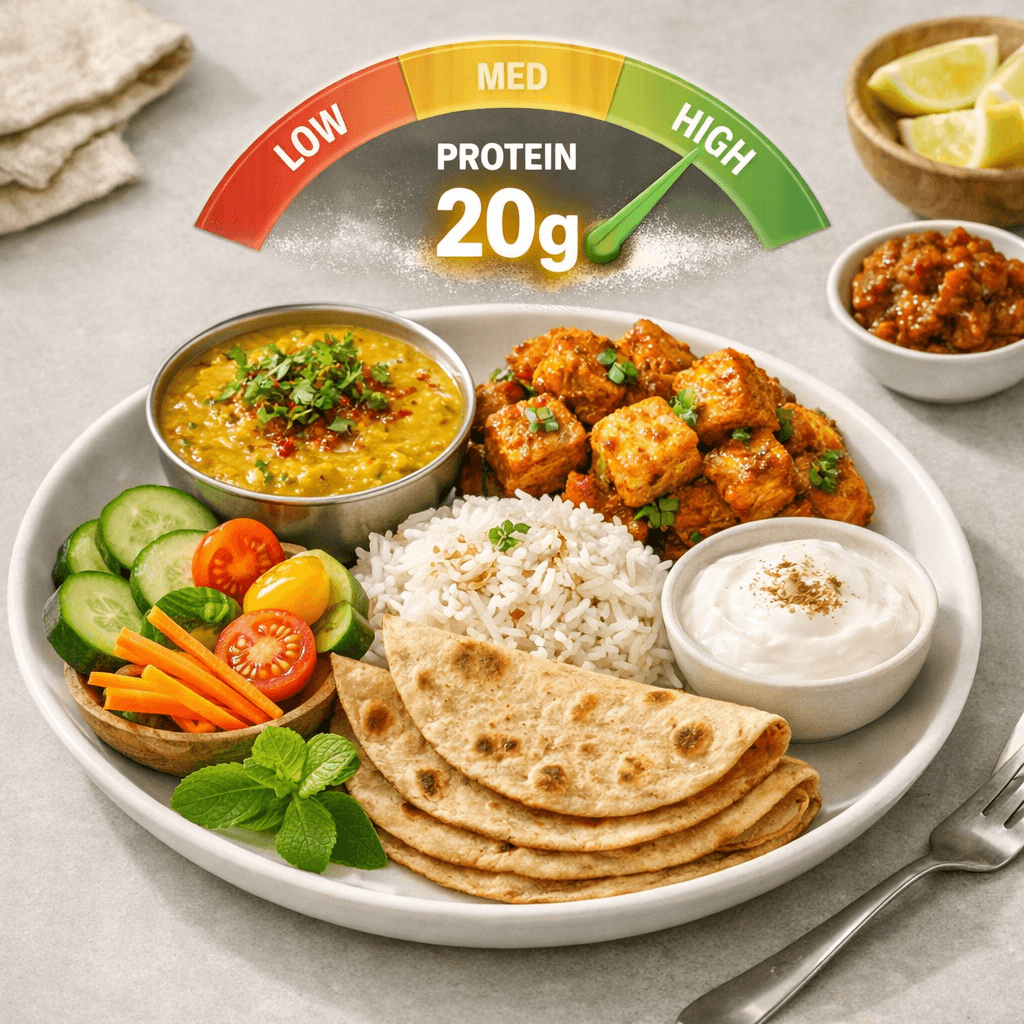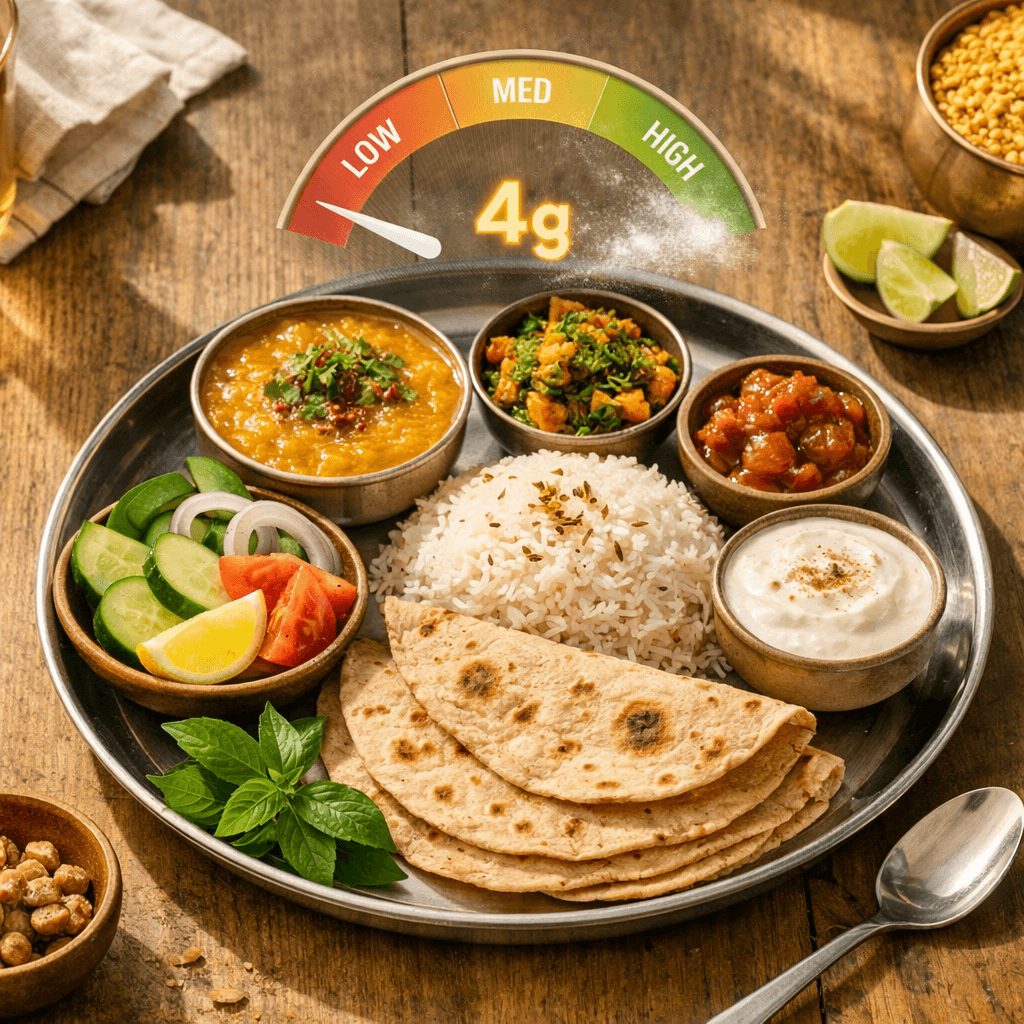
Dal Is Not Enough
Why a Traditional Vegetarian Thali May Be Leaving You Protein Deficient
Ask most Indians where their protein comes from and the answer is almost automatic: dal.
Lentils are a cornerstone of the Indian diet. Nearly every household serves some form of dal daily — whether it's toor dal, moong dal, masoor dal, or chana dal. Combined with rice or roti, it feels like a balanced meal that has sustained generations.
And in many ways, it has.
But modern nutritional research reveals an uncomfortable reality: for many Indians, dal alone does not provide enough protein to meet daily requirements.
In fact, the typical vegetarian thali eaten across the country often delivers only 30–40 grams of protein per day, while the average adult body may require 60–80 grams or more depending on body weight and activity level.
That gap, quietly repeated every day for years, may contribute to one of India's most overlooked nutritional problems: chronic protein deficiency in otherwise calorie-sufficient diets.
How Much Protein Do We Actually Need?
Protein requirements vary depending on body weight, age, and physical activity.
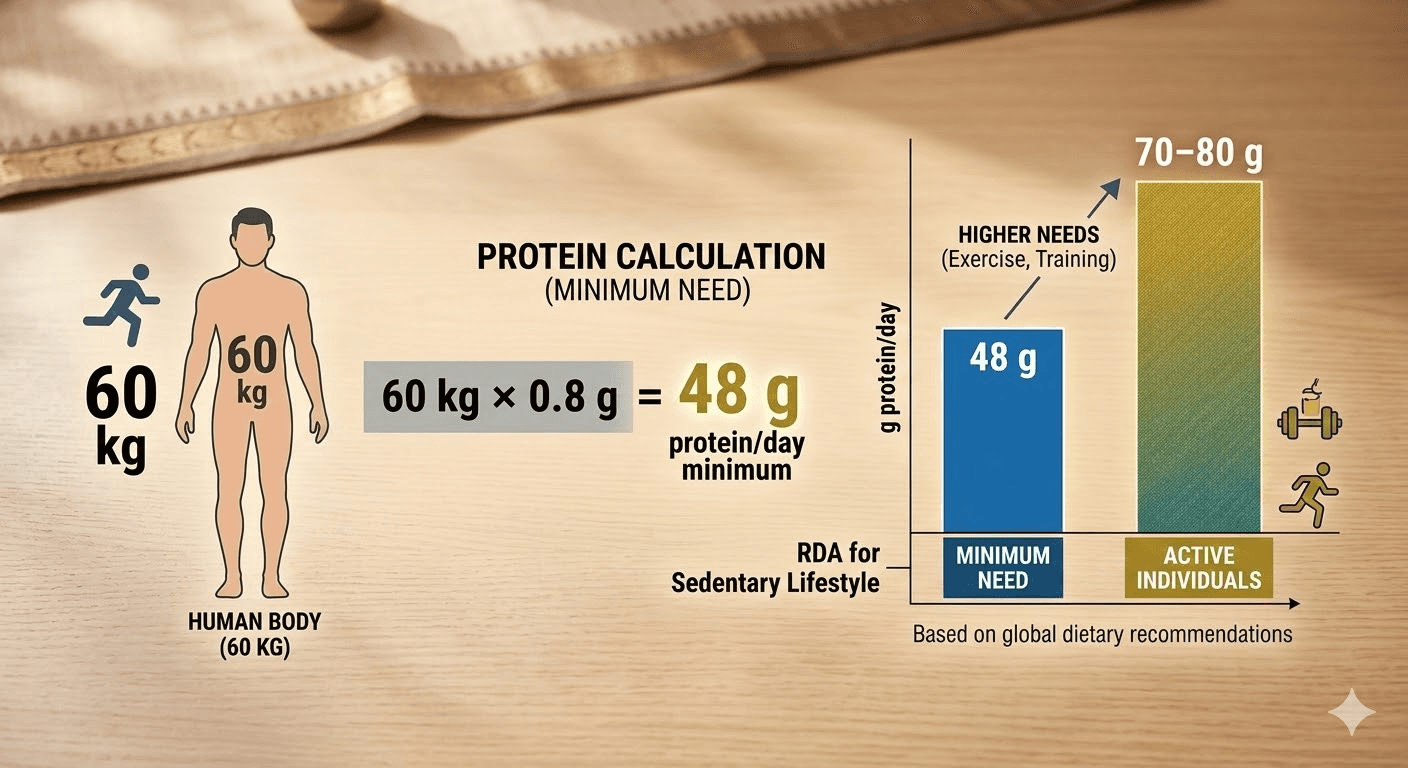
A widely used baseline recommendation is approximately 0.8 grams of protein per kilogram of body weight per day.
For example:
A 60 kg adult requires roughly 48 grams of protein daily as a minimum maintenance level.
Active individuals, athletes, or people performing strength training may benefit from 1.2–1.6 grams per kilogram, which can raise daily needs to 70–90 grams or more.
But here's where the problem appears.
Many Indian diets provide adequate calories — often through rice, roti, oils, and carbohydrates — but fall short on protein density.
The plate looks full. The stomach feels satisfied.
But the body's amino acid requirements remain only partially fulfilled.
The Typical Vegetarian Thali Breakdown
Let's look at what a common vegetarian meal actually provides.
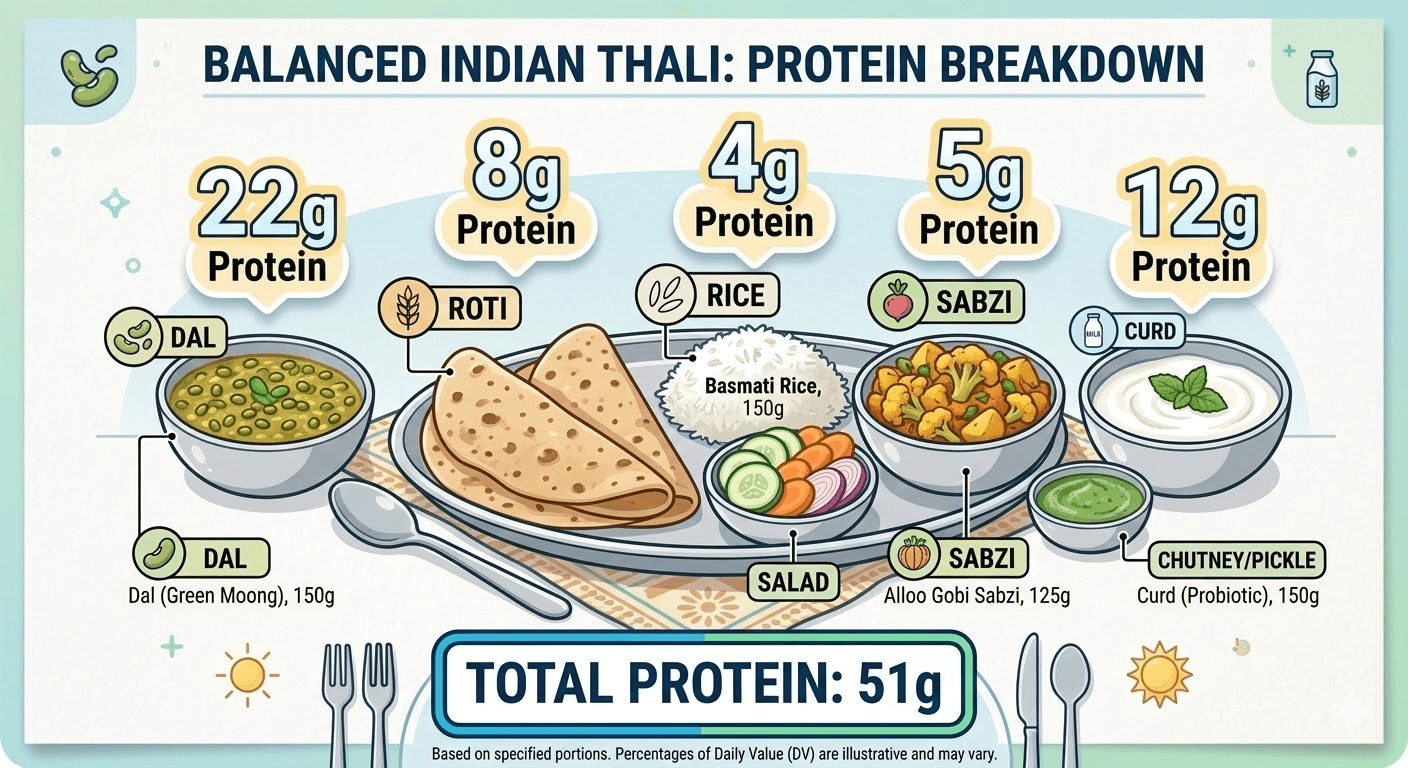
A standard home-style thali might include:
1 bowl dal
2 rotis
1 serving rice
1 bowl vegetable sabzi
small amount of curd
Now look at the approximate protein content:
1 bowl dal: ~7–9 g protein
2 rotis: ~6–8 g protein
1 serving rice: ~4 g protein
Vegetable sabzi: ~2–3 g protein
Curd (small bowl): ~3–4 g protein
Total: roughly 20–25 grams of protein per meal.
Assuming similar intake across the day, many people end up consuming 30–40 grams daily.
This is sufficient to avoid severe malnutrition — but often insufficient to optimize muscle maintenance, metabolic health, and recovery.
The Quality Problem: Incomplete Proteins
Quantity is only part of the issue. Protein quality also matters.
Proteins are made up of amino acids — some of which the body cannot produce on its own. These are called essential amino acids and must come from food.
Animal proteins such as eggs, dairy, and meat typically contain all essential amino acids in optimal ratios.
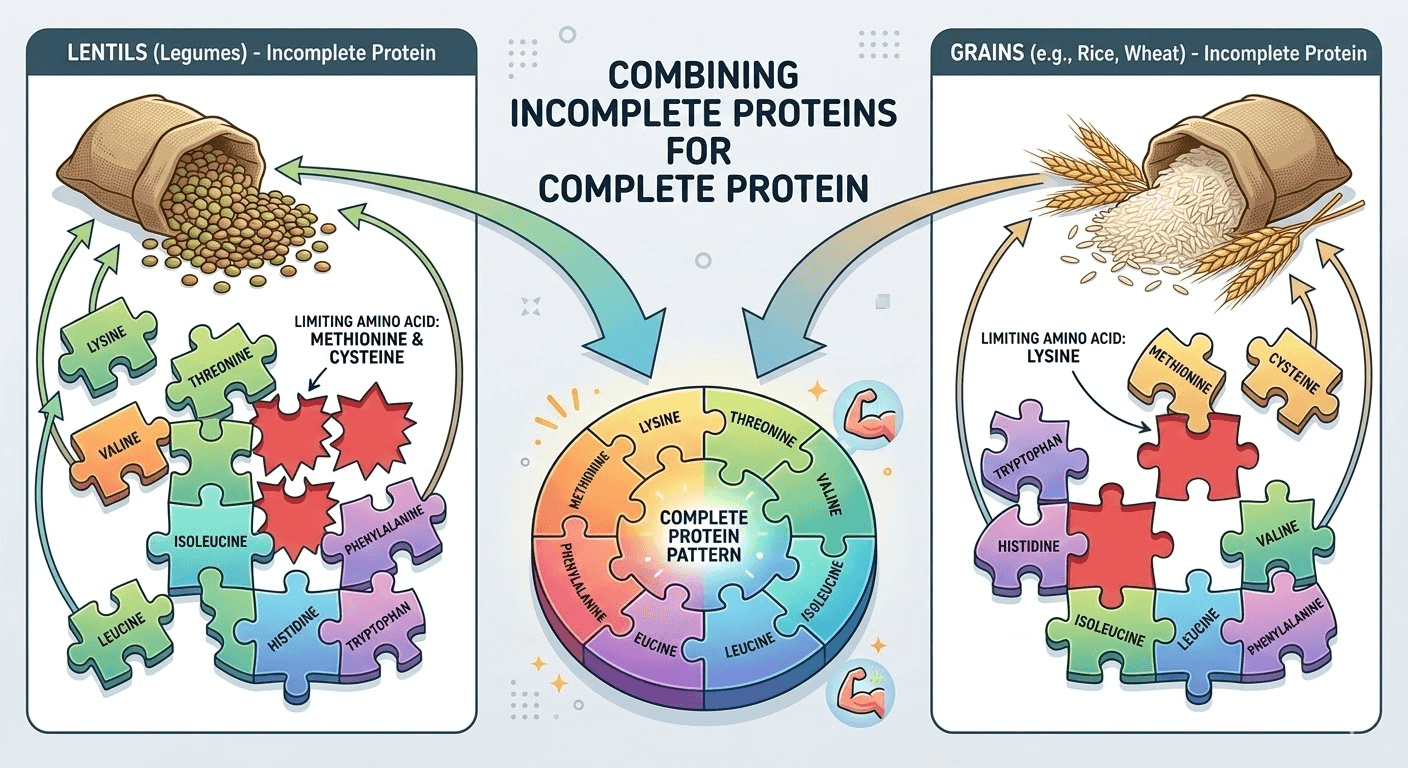
Many plant-based proteins, however, are incomplete on their own.
For example:
Lentils are relatively low in methionine.
Grains like rice or wheat are relatively low in lysine.
Traditionally, Indian meals solved this problem unintentionally by combining dal and rice or dal and roti, which together provide a more complete amino acid profile.
But even with this combination, the total protein density per calorie remains relatively low.
This means a person must eat a large volume of food to meet optimal protein targets — something many people simply don't do consistently.
Why Protein Matters More Than You Think
Protein is not just for bodybuilders.
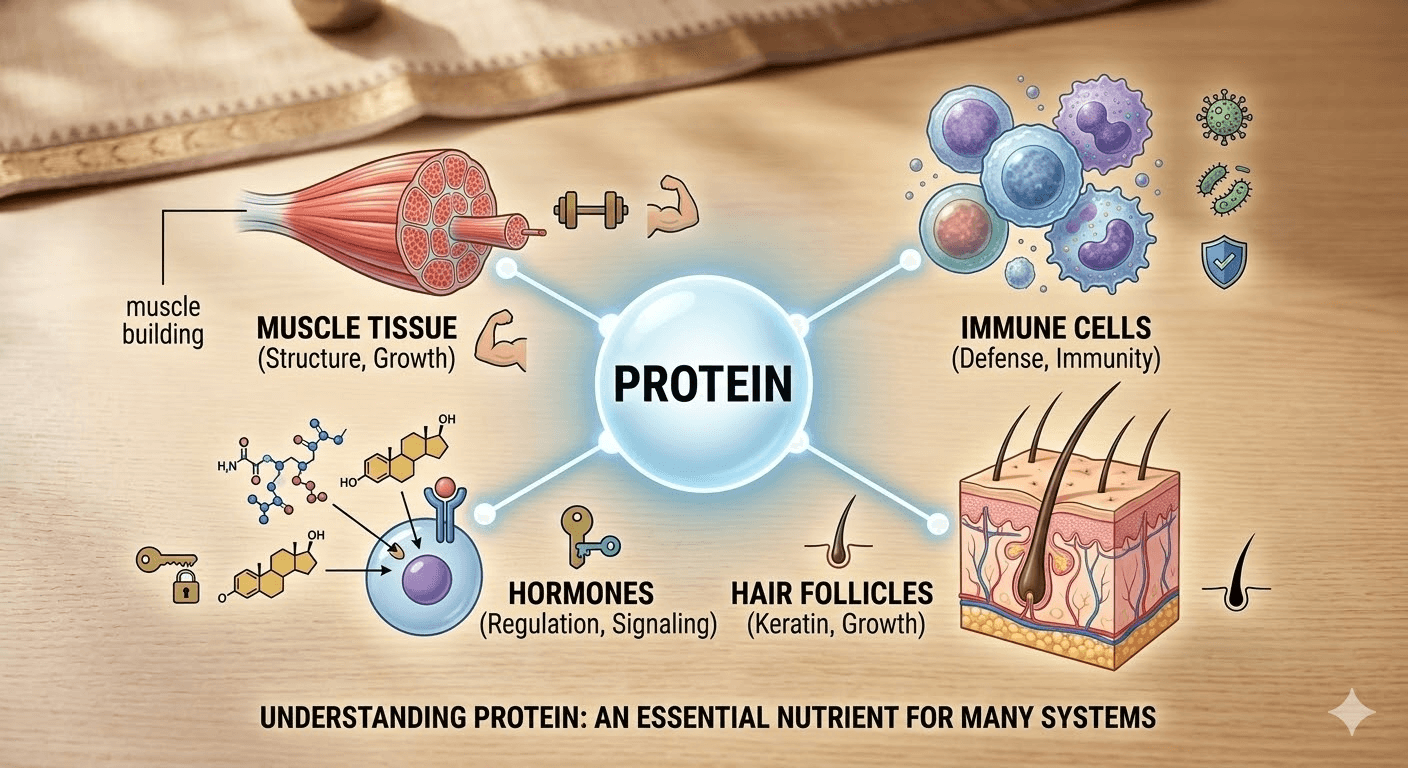
It plays a critical role in many basic physiological functions:
Muscle maintenance and repair
Hormone production
Immune system function
Hair, skin, and nail health
Satiety and appetite regulation
Low protein intake over time can contribute to:
Loss of muscle mass
Reduced metabolic rate
Persistent fatigue
Slower recovery from exercise or illness
For individuals with the TOFI (Thin Outside Fat Inside) body profile common among South Asians, low protein intake can worsen the imbalance between muscle mass and body fat.
How to Fix the Protein Gap
The solution does not require abandoning traditional Indian meals. It simply requires adjusting the protein density of the plate.
Here are practical ways to do it:
1. Increase Dal Quantity or Variety
Instead of a small bowl, consider larger servings or multiple lentil varieties such as chana, rajma, or chickpeas.
2. Add High-Protein Dairy
Foods like paneer, Greek yogurt, and milk significantly boost protein intake without drastically changing meal structure.
3. Include Eggs Where Possible
For those who consume them, eggs are one of the most efficient protein sources available.
4. Add Legume-Based Foods
Chickpeas, sprouts, soy chunks, and tofu provide higher protein density than many vegetables.
5. Distribute Protein Across Meals
Rather than concentrating protein at dinner, aim for consistent protein intake throughout the day — breakfast, lunch, and dinner.
The Long Game
The traditional Indian thali remains one of the most diverse and culturally rich meal patterns in the world.
But like any dietary system shaped by history, it was designed for a different lifestyle — one involving more physical labor, lower life expectancy, and fewer sedentary hours.
In modern life, where muscle loss and metabolic disease are growing concerns, protein becomes more important than ever.
Dal still belongs on the plate.
It just shouldn’t be the only source.
Because when it comes to protein, the difference between just enough and truly adequate can quietly shape your energy, strength, and long-term health.

Reading Time
10 min read